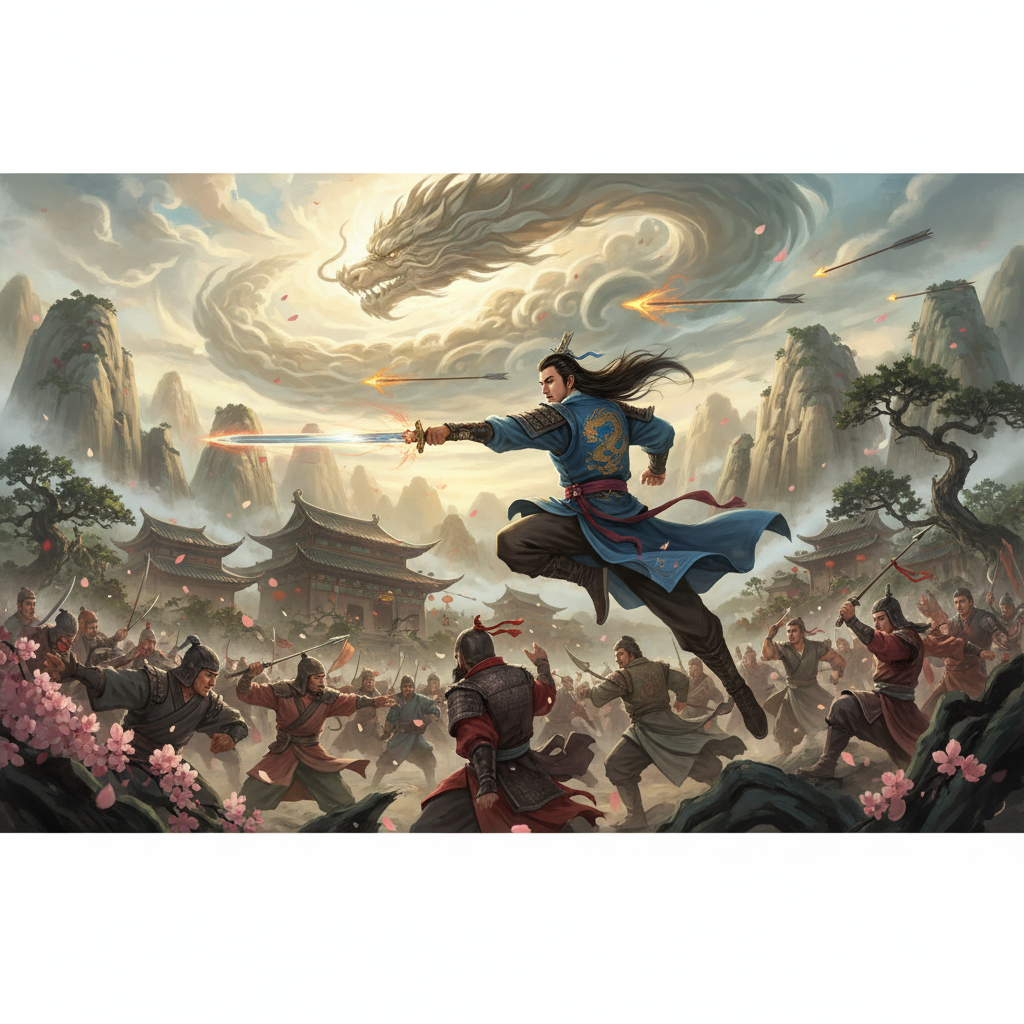
The Evolution of Wuxia and Jin Yong's Contribution
Wuxia, a genre that encompasses martial arts, chivalry, and moral dilemmas, has been a pivotal component of Chinese literature for centuries. Emerging during the late Qing Dynasty, the genre reflects a time of socio-political turmoil and the longing for heroism and justice among the common people. One of the most celebrated figures within this literary tradition is Louis Cha, better known as Jin Yong, whose innovative novels have not only revitalized the genre but also shaped its modern interpretation.
Jin Yong started his career as a journalist in the 1950s, publishing his novels in newspapers. This technique allowed him to engage directly with readers, crafting narratives filled with rich character development and intricate plots. His works seamlessly weave historical elements with the escapism of martial arts fantasy, catering to a diverse audience that includes both the young and old. Notably, Jin Yong's novels often serve as a reflection of Chinese cultural values, addressing themes such as honor, loyalty, and the struggle against oppression.
Iconic Characters and Their Moral Complexity
One of the hallmarks of Jin Yong's novels is his vast array of complex characters who often navigate moral gray areas. Unlike archetypical heroes and villains, Jin Yong's protagonists, such as Guo Jing from The Legend of the Condor Heroes and Zhang Wuji from The Heaven Sword and Dragon Saber, often present nuanced ethical dilemmas. These characters are not merely embodiments of good or evil; they are complex individuals shaped by their circumstances and choices.
Guo Jing is depicted as the quintessential "righteous hero" whose simplicity and earnestness lead him to confront overwhelming challenges. In contrast, Zhang Wuji grapples with personal loss and conflicting loyalties as he is thrust into a larger battle between different sects. This moral ambiguity resonates with readers, encouraging them to reflect on the philosophical questions surrounding honor and justice in a rapidly changing world.
The Art of Martial Arts: A Symphony of Movements
Martial arts serve as the backbone of Jin Yong's wuxia stories, where not only the physical combat but also the philosophy behind martial arts is explored. Each character possesses unique skills, often represented through creative and visually striking martial arts techniques. For example, Jin Yong's Demi-Gods and Semi-Devils introduces fascinating martial arts schools, each with its own history, principles, and styles.
Distinctive techniques, such as the "Six Meridians Divine Sword," embody the mystical elements inherent in wuxia, bridging the gap between the physical and the metaphysical. The intricate descriptions of these martial arts not only entertain but also elevate the narrative, offering readers a glimpse into the discipline and spirituality involved in mastering these skills. This attention to detail illustrates Jin Yong's deep respect for Chinese culture and tradition, reinforcing the importance of martial arts as a symbol of personal growth and resilience.
Historical Context and Cultural Significance
Jin Yong's narratives are steeped in historical context. Many of his plots unfold during significant periods in Chinese history, such as the Song Dynasty or the late Ming Dynasty. By embedding his stories within these settings, Jin Yong educates readers about historical events while simultaneously crafting fictional legends. This clever intertwining of fact and fiction has allowed readers to gain insight into Chinese history through an engaging lens.
Moreover, Jin Yong’s works resonate with cultural significance. His emphasis on loyalty, honor, and moral duty mirrors Confucian ideals, while his storytelling approaches lend themselves to the exploration of individualism in the context of collectivism. In doing so, he captures the essence of the Chinese psyche, appealing to both national pride and universal human emotions. Thus, his literature crosses cultural boundaries, inviting international readers to appreciate the complexities of Chinese philosophical thought.
The Global Impact of Jin Yong’s Works
While Jin Yong's narratives have their roots firmly planted in Chinese culture, they have also transcended national boundaries, garnering an enthusiastic global readership. Translations of his novels into various languages have opened windows to his imaginative world, leading to adaptations in film, television, and even dance. This popularity has led to increased interest in the wuxia genre overall, inspiring a new generation of readers and creators both within China and abroad.
In popular culture, this genre has greatly influenced not only literature but also cinema and television, giving rise to iconic adaptations and innovative reinterpretations. The allure of wuxia, characterized by its breathtaking action sequences and philosophical depth, continues to captivate audiences. The global fascination showcases the universal themes of struggle, perseverance, and the quest for identity that Jin Yong skillfully embodies in his writing.
Conclusion: Jin Yong’s Enduring Legacy
Jin Yong's wuxia novels have left an indelible mark on Chinese literature and culture, bridging traditional values with contemporary storytelling. His characters resonate due to their moral complexities, while the martial arts described within his narratives evoke a sense of wonder. As readers continue to delve into his works, they find not only thrilling adventures but also profound insights into the human condition.
Understanding Jin Yong's contributions offers a deeper appreciation of the intricate dance between culture, philosophy, and literature in shaping societal perspectives. His legacy serves as a reminder that storytelling, at its heart, is a powerful medium for exploring the questions that define our very existence.