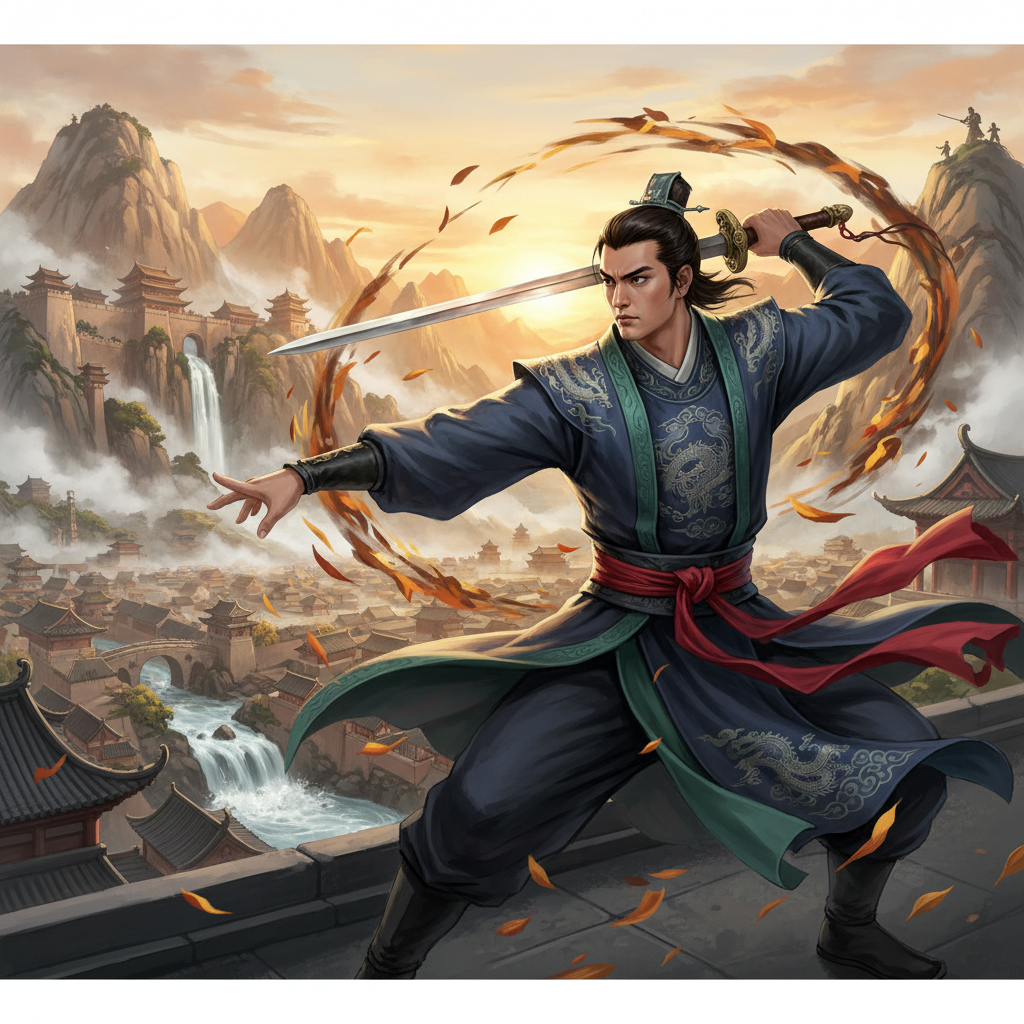
The Legacy of Jin Yong and His Wuxia Novels
Jin Yong, born Louis Cha, is a towering figure in the realm of Chinese literature, revered for his remarkable contribution to the genre of wuxia—stories of martial heroes and adventure set in ancient China. Since the publication of his first novel, "The Return of the Condor Heroes" in the 1950s, his work has captivated millions, weaving a complex tapestry of history, martial arts, and philosophy. Jin Yong’s narratives not only entertain but also reflect the cultural fabric of Chinese society, delving into themes of loyalty, honor, and the quest for identity in a changing world.
Characterization: The Heart of Wuxia
One of the defining features of Jin Yong's novels is the depth and complexity of his characters. Unlike typical heroes, Jin Yong's protagonists often embody a blend of virtues and flaws, making them relatable and compelling. Take the character of Guo Jing from "The Legend of the Condor Heroes." Initially portrayed as simple-hearted and naïve, Guo evolves into a formidable martial artist, learning the intricacies of not just combat but also of morality and justice.
His antagonists, such as the deceitful Ouyang Feng, are equally nuanced, often motivated by personal loss or an unquenchable thirst for power. This dualism adds layers to the narrative, inviting readers to ponder deeper philosophical questions about good and evil, the nature of heroism, and the impact of personal choices.
The Art of Martial Arts in Jin Yong's Universe
Martial arts, or "wuxia," is not merely a backdrop in Jin Yong's novels but a vital component that shapes the storylines and character arcs. The novels explore various martial arts styles, each with its specific techniques, philosophies, and historical context. The concept of "qi," or life energy, plays a crucial role in understanding how characters develop their skills and abilities.
Distinctive martial art techniques, such as the "Eighteen Dragon-Subduing Palms" or the "Nine Yin Manual," exemplify how martial arts serve as a metaphor for personal growth and spiritual enlightenment. Jin Yong creatively amalgamates real martial arts traditions with fictional elements, creating a vibrant universe that is both fantastical and grounded in reality. The vivid descriptions of combat sequences transport readers into high-stakes battles, steeped in tension and emotion.
Storylines: Tapestries of Love, Betrayal, and Adventure
Jin Yong’s novels often employ intricate storylines that intertwine themes of love, loyalty, and betrayal, set against the backdrop of a richly described historical landscape. Each narrative is meticulously crafted, offering not only thrilling escapades but also profound insights into human relationships.
The saga of Yang Guo and Xiaolongnü in "The Return of the Condor Heroes" revolves around a tragic romance that transcends societal norms and expectations. Their love story, laden with heartache and obstacles, reflects the broader societal values and conflicts of Jin Yong’s time—examining the intricacies of personal desires versus societal obligations.
Additionally, the historical context in which these stories unfold plays a significant role in shaping the narratives. Readers can find reflections of real historical events, dynastic struggles, and philosophical debates, giving depth to the fantastical elements of the plots.
Cultural Significance: Beyond Entertainment
Jin Yong's contribution transcends mere storytelling. His work has played an instrumental role in popularizing the wuxia genre and has become a significant part of contemporary Chinese culture. The vivid imagery and moral complexities present in his novels echo across various forms of media, including television adaptations, films, and comics, thereby reinforcing and revitalizing cultural traditions in modern adaptations.
As wuxia continues to capture the imagination of audiences worldwide, Jin Yong’s legacy remains a vital element in understanding not only the genre but also the cultural identity of a nation. His narratives incite discussions on morality, identity, and the very essence of humanity, bridging generational gaps in a rapidly changing world.
Conclusion: The Enduring Appeal of Jin Yong
The allure of Jin Yong's wuxia novels lies in their rich characterizations, intricate martial arts, and profound themes. As readers traverse the landscapes of honor, adventure, and love, they find themselves participating in a dance of human experience that is timeless and universal. Jin Yong’s work continues to inspire, challenge, and entertain, making him a monumental figure in both literature and cultural history. Through the legacy of his storytelling, the world of wuxia remains accessible, inviting future generations to explore its depths and celebrate its significance.
In the end, whether one is a martial arts enthusiast, a lover of romance, or a seeker of philosophical wisdom, Jin Yong's writings offer something for everyone—an enchanting doorway into the captivating world of wuxia.