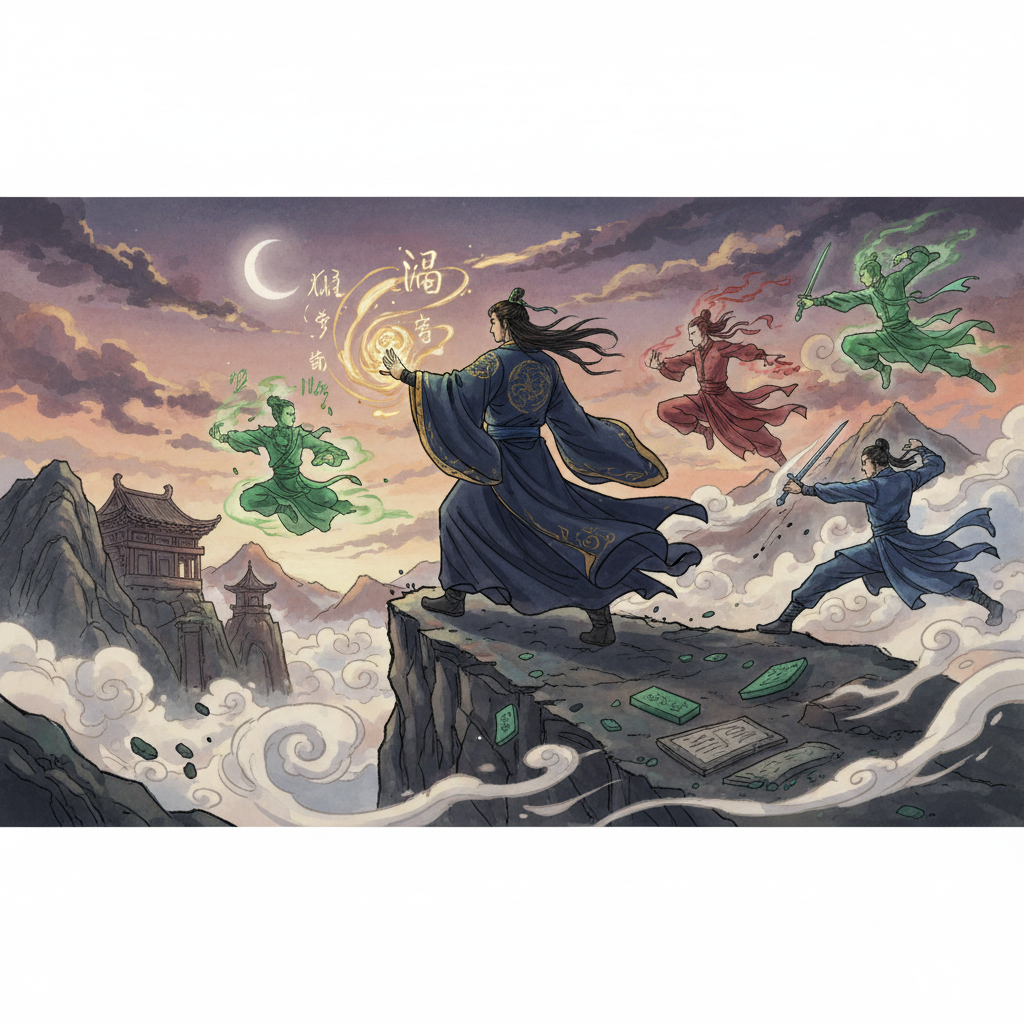
Introduction to Jin Yong and the Art of Wuxia
Jin Yong, born Louis Cha, stands as a towering figure in Chinese literature, renowned for revolutionizing the wuxia genre—the martial heroes’ narratives deeply embedded in Chinese culture. His novels, composed mainly during the mid-20th century, weave rich tapestries of martial arts heroism, codes of honor, and mythic quests. Among the captivating elements in his stories are the hidden techniques—secret martial arts moves and internal energy cultivation practices that elevate characters’ strength and moral journey.
Wuxia, literally meaning “martial heroes,” is more than just action-packed storytelling; it reflects historic Chinese values, blending Taoist philosophy, Confucian ethics, and Buddhist spirituality. Jin Yong’s mastery lies in crafting compelling characters whose acquisition or mastery of hidden techniques profoundly affects their destinies and the balance of power within his fictional jianghu (martial world).
Historical Context of Hidden Martial Arts in Chinese Culture
The notion of hidden techniques echoes real historical practices in Chinese martial arts, where certain skills were closely guarded family secrets, passed down only to worthy disciples. These skills often involved complex body mechanics, breathing techniques, and harnessing qi (internal energy). Jin Yong’s novels fictionalize and amplify such traditions, presenting techniques like the “Nine Yang Divine Palm” and “Dugu Nine Swords” as symbols of ultimate martial wisdom.
Historically, martial arts manuals were treasured texts; their secrecy was linked to survival. Similarly, in Jin Yong’s wuxia universe, possession of hidden techniques often confers not just tactical advantage, but moral authority and spiritual cultivation. This emphasis mirrors the historical conservancy of martial culture in Chinese dynastic eras, showcasing how physical prowess blended seamlessly with philosophical enlightenment.
Iconic Characters and Their Signature Hidden Techniques
Jin Yong’s protagonists and antagonists gain renown through their mastery of unique hidden techniques, often central to their narrative arcs.
-
Guo Jing from The Legend of the Condor Heroes trains in the “Nine Yin Manual,” a text containing profound internal energy cultivation methods that make him nearly invincible. The manual symbolizes purity and righteousness, contrasting with darker techniques wielded by foes.
-
Linghu Chong, the rebellious yet kind-hearted hero of The Smiling, Proud Wanderer, masters the “Dugu Nine Swords,” a set of sword techniques that rely on fluid perception and adaptability rather than brute force. The sequence is shrouded in mystery and esteemed for its evasive finesse.
-
Zhang Wuji of The Heaven Sword and Dragon Saber discovers both the “Heaven and Earth Great Shift,” a sophisticated internal skill, and the “Nine Yang Divine Palm,” representing holistic mastery of energy flow and combat.
These techniques symbolize personal growth, often reflecting the tension between orthodox paths and unorthodox brilliance, a hallmark theme in wuxia literature.
Narrative Role of Hidden Techniques in Jin Yong’s Storylines
Hidden techniques are far more than mere combat tools in Jin Yong’s novels; they serve as key narrative devices driving character development, plot twists, and thematic depth.
The search or inheritance of an ancient martial arts manual often initiates a hero’s journey, underscoring themes of destiny and perseverance. For example, the “Nine Yin Manual” is not just a tome of power; it is a catalyst for moral dilemmas—who deserves such power and at what cost?
Moreover, the unveiling of a hidden technique frequently coincides with pivotal transformations, both physical and spiritual. Characters evolve from naïve novices to enlightened warriors, embodying the Confucian ideal of self-cultivation and the Taoist pursuit of harmony between man and nature.
Battles fought with these secret arts are also allegories, dramatizing the eternal struggle between good and evil, tradition and change, personal desire and duty.
Cultural Significance and Philosophical Underpinnings
Jin Yong’s treatment of hidden martial arts extends beyond entertainment; it preserves and disseminates Chinese cultural philosophy, illustrating the fusion of body, mind, and spirit.
Many techniques require mastery over one’s own emotions and desires, reflecting Buddhist principles of detachment and clarity. The cultivation of qi parallels Taoist meditative practices, emphasizing balance, breath control, and yielding rather than aggressive force.
Furthermore, hidden techniques underscore the importance of lineage, trust, and secrecy within martial clans—mirroring Confucian values of loyalty, obedience, and respect for elders and tradition. They are metaphors for the transmission of cultural heritage and ethical conduct.
Conclusion: The Timeless Allure of Jin Yong’s Hidden Techniques
Through masterful storytelling, Jin Yong transforms hidden martial arts techniques from mere fictional contrivances into symbols of spiritual ascent and cultural identity. His characters’ journeys through mastering secret skills resonate universally—as stories of perseverance, wisdom, and self-discovery rooted in deeply Chinese traditions.
For readers and martial arts enthusiasts worldwide, these hidden techniques continue to intrigue and inspire, sustaining the rich legacy of wuxia as a bridge between history, philosophy, and literature. Exploring these secret methods opens a window not only into the thrilling jianghu but also into millennia of Chinese thought and practice.
Jin Yong’s novels remain a testament to the enduring power of hidden knowledge—inviting each generation to unlock its mysteries within the elegant dance of wuxia storytelling.