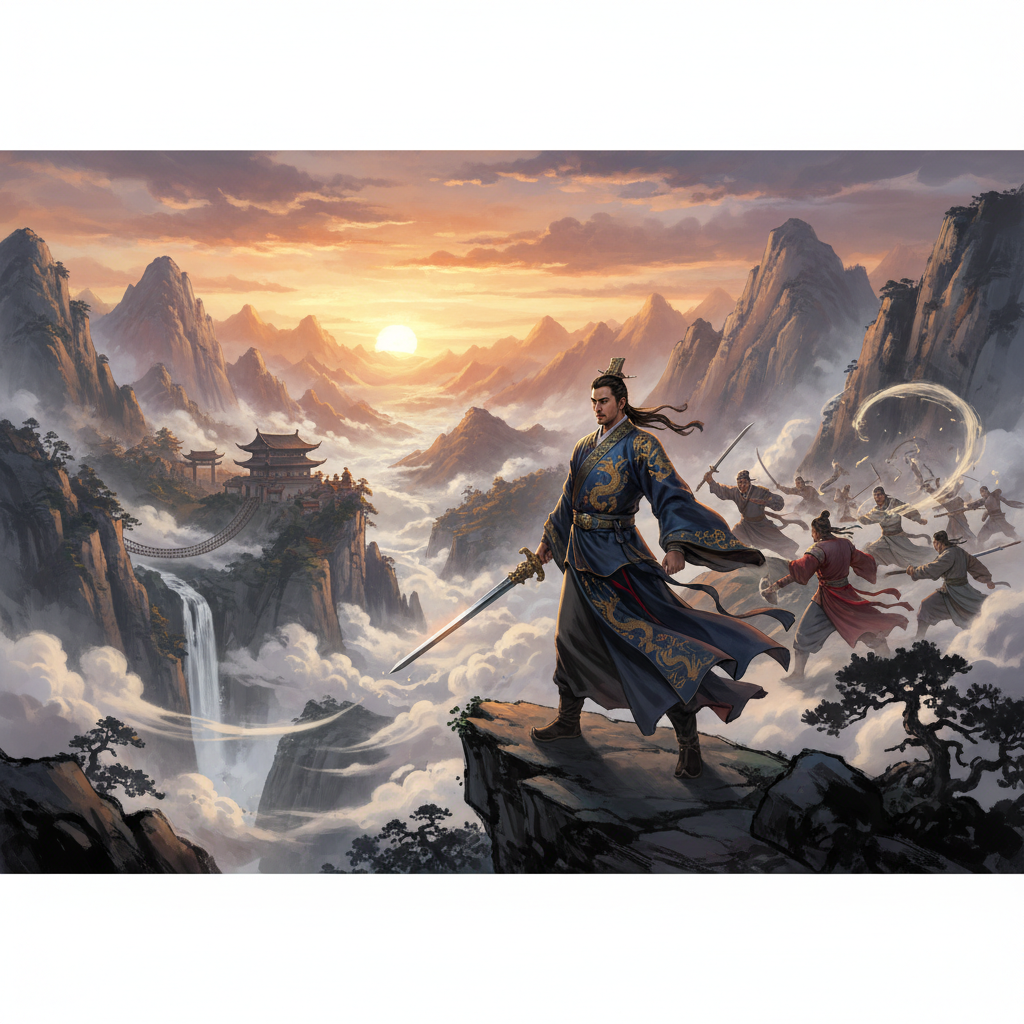
Introduction to Jin Yong and His Wuxia Universe
Jin Yong, born Louis Cha, is a towering figure in the realm of Chinese literature. His wuxia novels, which blend martial arts, fantasy, and intricate character arcs, have captivated readers since their initial publications in the mid-20th century. Wuxia, a genre that revolves around the adventures of martial artists in ancient China, thrives on themes of honor, loyalty, and the quest for justice. Jin Yong’s work stands out for its rich narrative depth and historical context, making his novels a gateway to understanding Chinese culture and the philosophical underpinnings of martial arts.
Historical Context of Wuxia Novels
Wuxia storytelling can be traced back over a millennium, with roots in classical Chinese literature. However, the genre has evolved significantly, especially in the 20th century, as sociopolitical changes reshaped Chinese society. Jin Yong's novels emerged during a time of rapid transformation in China, post-World War II, reflecting the tensions and aspirations of the era. He cleverly wove historical events and figures into his plots, enabling readers to experience a sense of continuity and nostalgia, while also critiquing contemporary societal issues through allegorical narratives.
As China faced imperialism and revolution, Jin Yong's characters exemplified resistance against tyranny, encapsulating the struggles of ordinary people fighting for justice. The intricate plots often incorporate conflicts between various martial arts schools, echoing real-life rivalries that existed during the dynastic periods, thus enriching the historical authenticity of his stories.
Signature Characters in Jin Yong's Novels
One of Jin Yong's greatest gifts is his ability to create unforgettable characters who resonate with both personal and societal struggles. Take, for instance, Guo Jing, the protagonist of The Legend of the Condor Heroes, who embodies the quintessential heroic values of loyalty and righteousness. His journey from a naïve, simple-minded youth to a formidable martial artist represents the archetypal hero's journey and highlights the importance of personal growth through adversity.
Another compelling figure is Huang Rong, Guo Jing's clever and resourceful companion, who subverts traditional gender roles within the genre, demonstrating intelligence and adaptability in a world dominated by male warriors. Additionally, characters like Zhang Wuji from The Heaven Sword and Dragon Saber, showcase complex emotional conflicts, such as the burdens of leadership and the consequences of power, illustrating deeper philosophical themes that go beyond mere action and adventure.
The Intricacies of Martial Arts in Jin Yong's Works
The martial arts depicted in Jin Yong's novels are not merely physical combat techniques; they symbolize the philosophical and cultural dimensions of Chinese society. Jin Yong’s meticulous descriptions of martial arts techniques reveal their spiritual nature, often rooted in Taoist and Buddhist philosophies. Each martial art school in his novels has its unique style and philosophy, mirroring real-life martial arts traditions such as Shaolin and Wudang.
Techniques like the Six Meridians Divine Sword or the Nine Yin Manual are not only plot devices but also explore deeper themes of balance, mastery, and the often-blurred line between good and evil. Jin Yong's portrayal of martial arts serves as both an entertainment element and a vehicle for exploring broader cultural ideologies, emphasizing that mastery of martial arts is a pursuit that requires wisdom, discipline, and moral fortitude.
Thematic Depth and Storylines
The narratives in Jin Yong’s works often revolve around complex themes of loyalty, love, revenge, and the quest for identity. These themes resonate deeply within the framework of Chinese culture, where collective identity often takes precedence over individual pursuits. His novels challenge characters with moral dilemmas, forcing them to navigate personal desires against the backdrop of societal expectations.
For example, in The Deer and the Cauldron, the protagonist, Wei Xiaobao, epitomizes the conflict between self-interest and loyalty to friends and ideals. His transformation through deception, manipulation, and genuine friendship adds layers to the storyline, inviting readers to ponder the nuances of morality in a tumultuous world.
Cultural Significance and Legacy
The impact of Jin Yong's wuxia novels extends beyond literature; they have influenced film, television, and even video games, weaving themselves into the very fabric of popular culture. His narratives have transcended linguistic and cultural barriers, inspiring adaptations worldwide. The dynamic worlds he crafted have encouraged a resurgence of interest in Chinese martial arts and traditional culture, providing a rich tapestry for exploration beyond the written page.
In a global context, Jin Yong's works have become essential reading for understanding East Asian cultural heritage, contributing significantly to the narratives of resistance and valor against oppression. His legacy continues to thrive, with ongoing adaptations and scholarly interest, ensuring that Jin Yong’s stories and characters will endure for generations to come.
Conclusion
In conclusion, Jin Yong's wuxia novels are not just tales of adventure; they are a profound exploration of human nature and cultural identity. Through rich storytelling, intricate character development, and reflective themes, he crafts a narrative universe that captivates and inspires. Understanding these works invites readers to appreciate not only the martial arts intricacies but also the moral and philosophical undercurrents that shape the world of wuxia, making them essential for both literary enthusiasts and cultural scholars alike.