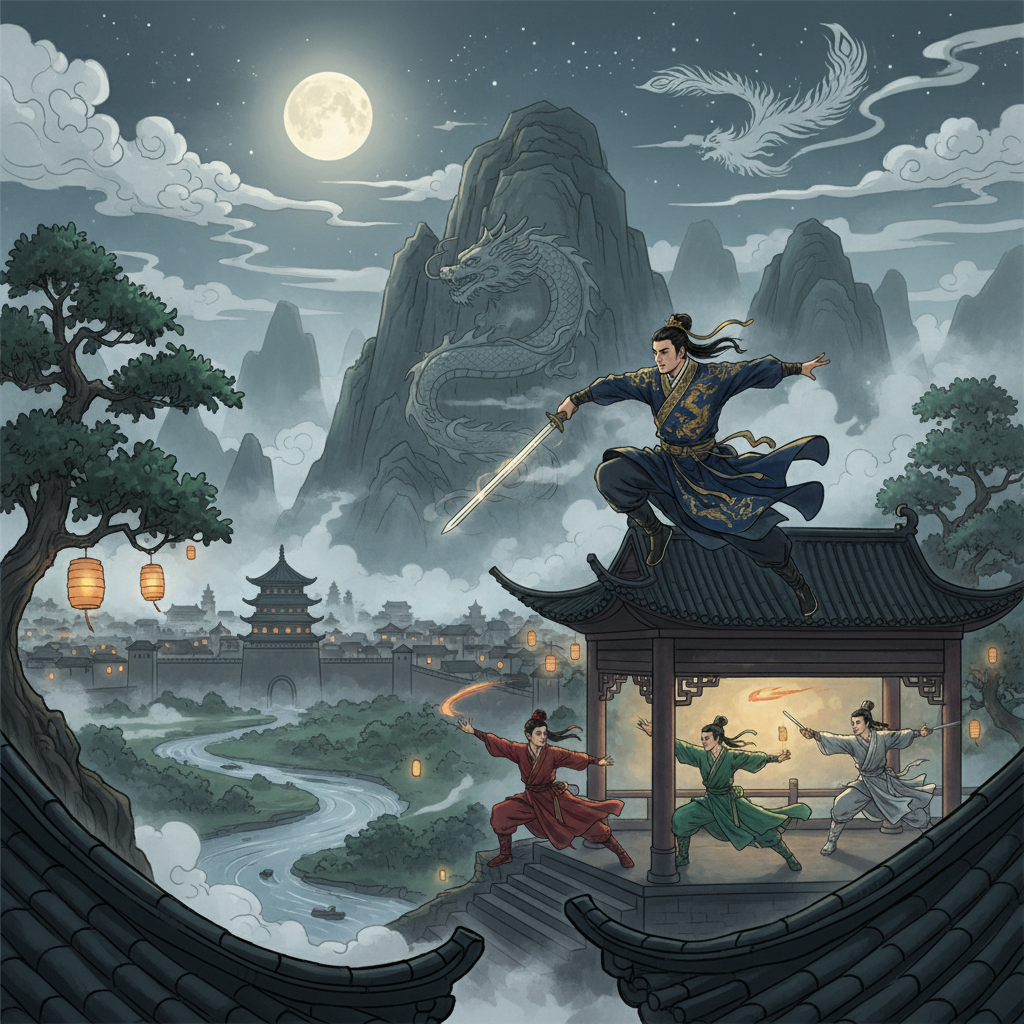
Introduction to Jin Yong and Wuxia Literature
Jin Yong, born Louis Cha, was a profound influence on Chinese literature and culture through his legendary wuxia novels. His works, embodying the genre of martial arts fiction, are celebrated for their intricate plots, deep characterizations, and sweeping historical context. Wuxia, a term that translates to "martial heroes," encapsulates stories set in ancient China where skilled warriors embody ideals of chivalry and justice. Wang’s novels transcend mere adventure tales—they explore human emotion, honor, and the ever-present conflict between good and evil.
Historical Context of Wuxia Novels
The roots of wuxia fiction can be traced back to the Tang and Song dynasties, with tales of heroic knights and martial artists gaining narrative weight during the Ming and Qing dynasties. However, it was not until the 20th century, particularly through Jin Yong's works, that the genre saw a renaissance. His storytelling is imbued with historical references, allowing readers to immerse themselves not just in thrilling tales of martial prowess but also within the socio-political struggles of China's past.
Wuxia takes readers into a world where dynasties rise and fall, often paralleling real historical events with the lives of fictional characters. This interweaving of history and fantasy serves not only to entertain, but also to reflect the sociocultural dynamics of the times, engaging readers in the values and conflicts still relevant today.
Iconic Characters: Heroes, Anti-Heroes, and Complicated Relationships
One of the most alluring aspects of Jin Yong's novels is their rich tapestry of characters, each intricately designed with unique backstories, motivations, and moral complexities. Characters like Guo Jing from The Legend of the Condor Heroes and Wei Xiaobao from The Deer and the Cauldron are not only representations of heroism but also embody the struggles between virtue and vice.
Guo Jing, a character noted for his simplicity and loyalty, contrasts sharply with the cunning Wei Xiaobao, who navigates through deceit and seduction. Such dueling character archetypes showcase Jin Yong's ability to portray the human experience—a reflection of the internal and external conflicts faced by individuals seeking their paths in life. This complexity gives readers deeper connections to the narratives, making them not just stories of martial skill, but explorations of the human spirit.
Martial Arts and Philosophy in Jin Yong’s Novels
Jin Yong’s martial arts, or "xia," are not mere fighting techniques; they serve as vehicles for philosophical exploration. His characters often practice unique martial arts, derived from ancient texts and styles, that not only enhance their fighting abilities but also reflect their personal growth and philosophies of life.
For instance, the teachings of the ancient martial arts intersect with Taoist and Confucian principles, highlighting themes such as balance, righteousness, and respect for others. The pursuit of martial arts in these novels becomes a metaphor for personal development—an allegory for the journey towards self-improvement and moral fortitude. This philosophical underpinning elevates the stories beyond typical action-driven plots, allowing readers to ponder their values and ethics.
Cultural Significance and Legacy of Jin Yong’s Works
Jin Yong's contributions to literature extend far beyond the pages of his novels. He played a crucial role in shaping modern Chinese popular culture—his stories were adapted into films, television series, and even video games, reaching audiences worldwide. The cultural impact of his works cannot be overstated; they inspire generations of writers, filmmakers, and martial artists.
Through his tales of heroism, love, and loss, Jin Yong encapsulated the essence of Chinese identity and culture, weaving themes pertinent to societal values and contemporary issues. The motifs recurring in his novels, such as loyalty and the concept of a martial chivalry, resonate with audiences around the globe, further enriching the fabric of world literature.
Conclusion: Enduring Appeal of Jin Yong’s Wuxia
The allure of Jin Yong's wuxia novels lies not only in their thrilling plots and exhilarating martial arts but also in their profound exploration of humanity and cultural identity. Jin Yong captured the hearts of millions with stories that are timeless, complex, and relatable—bridge builders of history and modernity. As readers turn the pages of Jin Yong's universe, they embark on a journey through an enchanting world rich in moral dilemmas and heroism, reaffirming that every generation can find its truths within the legendary tales of these martial artists.