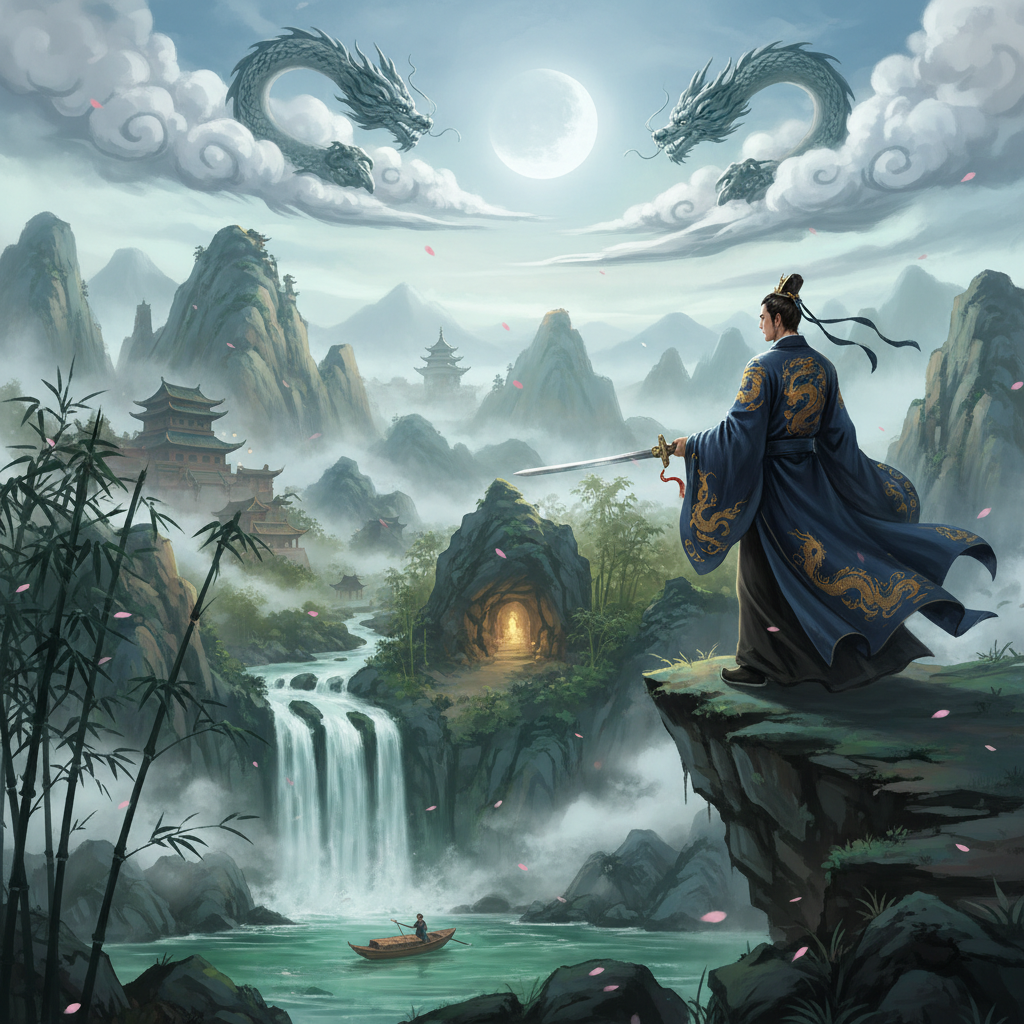
The Rich Tapestry of Wuxia Landscapes
Jin Yong, a luminary in the realm of Chinese literature, is best known for his iconic wuxia novels, which transport readers to an enchanting world filled with martial arts, romance, and loyalty. His stories not only showcase riveting character arcs and tantalizing plots but also vividly depict the diverse locations that serve as backdrops to his characters' adventures. Understanding these locations offers deeper insight into the cultural and historical context of wuxia, as well as the significant role they play in shaping the narratives.
The Mountains of Emei: A Symbol of Wisdom and Strength
One of the recurring settings in Jin Yong’s works is the Emei Mountains, often associated with wisdom, spirituality, and martial prowess. In novels like "The Heaven Sword and Dragon Sabre," the mountains serve as both a sanctuary and a training ground for the often-divided sects in the world of martial arts. Emei is historically significant, not only as a center for Buddhist practice in China but also as a physical abode for many legendary martial artists.
The mystique of Emei has transcended literature, making it a pilgrimage site for enthusiasts of Jin Yong’s tales. This duality of the mountains—both as a serene landscape and a battlefield—mirrors the philosophical conflicts present in his narratives, emphasizing the balancing act between good and evil.
The Mysterious Jianghu: The Community of Martial Artists
Jianghu, a term often coined by Jin Yong, denotes a loosely defined community of rogues, martial artists, and adventurers who interact in ways that often challenge societal norms. Its locations are as varied as the characters that populate them, from bustling marketplaces to secluded temples. This concept captures the essence of freedom and individuality that many characters aspire to achieve.
In "The Legend of the Condor Heroes," for instance, locations such as the Peach Blossom Island, a secluded utopia, embody the idealized escape from societal constraints and the pursuit of personal growth. Jianghu reflects a cultural longing for autonomy and the quest for personal honor, making it a uniquely profound setting in the landscape of wuxia literature.
The Role of Historic Cities: Beijing and Hangzhou
The cities of Beijing and Hangzhou often serve as prominent settings for some of Jin Yong’s narratives. These urban landscapes are portrayed with a rich historical context that resonates with readers, breathing life into the backdrop of epic confrontations and personal quests. Beijing, the capital and a melting pot of cultures, reflects the struggles of power and governance, particularly in "The Deer and the Cauldron."
Hangzhou, famously described for its picturesque beauty, is depicted in "The Smiling, Proud Wanderer." Here, the exquisite West Lake and its surrounding sceneries accentuate the themes of love and betrayal. Historical landmarks featured in these locations not only enrich the narratives but also provide a lens through which readers can engage with China’s vast cultural and historical heritage.
The Influence of Nature: Rivers, Lakes, and Forests
Nature plays a pivotal role in Jin Yong's novels, where rivers, lakes, and mountains set the tone. The imagery of flowing waters and tranquil landscapes often evokes a sense of peace, contrasting with the chaos of martial conflicts. For example, the gorges and waterfalls depicted in "The Return of the Condor Heroes" symbolize both the beauty and the peril of the wuxia world.
These natural elements are not merely backdrops; they mirror the characters' internal struggles and the philosophical themes prevalent in the narratives. The dichotomy of beauty and violence highlights the complexities of a wuxia hero's journey—reflecting both the struggle against external foes and the battle within.
Cultural Legacy: Jin Yong's Locations in Modern Media
Jin Yong’s wuxia novels have transcended literature to inspire films, television dramas, and even video games, showcasing the vivid locations that were once confined to the pages of books. Modern adaptations often strive to recreate the enchanting landscapes, offering audiences a visual feast while maintaining the literary essence of the locations. This continuing influence demonstrates the power of Jin Yong's imagination and the cultural significance of these spaces in shaping collective memory.
Documentaries and travel shows often feature real-life excursions to these iconic sites—allowing both locals and international fans to walk the paths of their beloved characters. The fusion of Jin Yong’s fictional landscapes with real-world locations enhances the cultural dialogue between literature and heritage tourism, bridging generations of readers and viewers.
In conclusion, the enchanting locations in Jin Yong's wuxia novels are more than mere settings; they embody the rich tapestry of Chinese culture, history, and philosophy. As we explore these landscapes, we can appreciate how they shape the characters’ journeys and reflect the complexities of life, love, and honor in the elusive world of martial arts.